
How to Legalize an Unpermitted Garage Conversion or ADU in San Diego (AB 2533 Explained)
By Brett / Published October 29, 2026
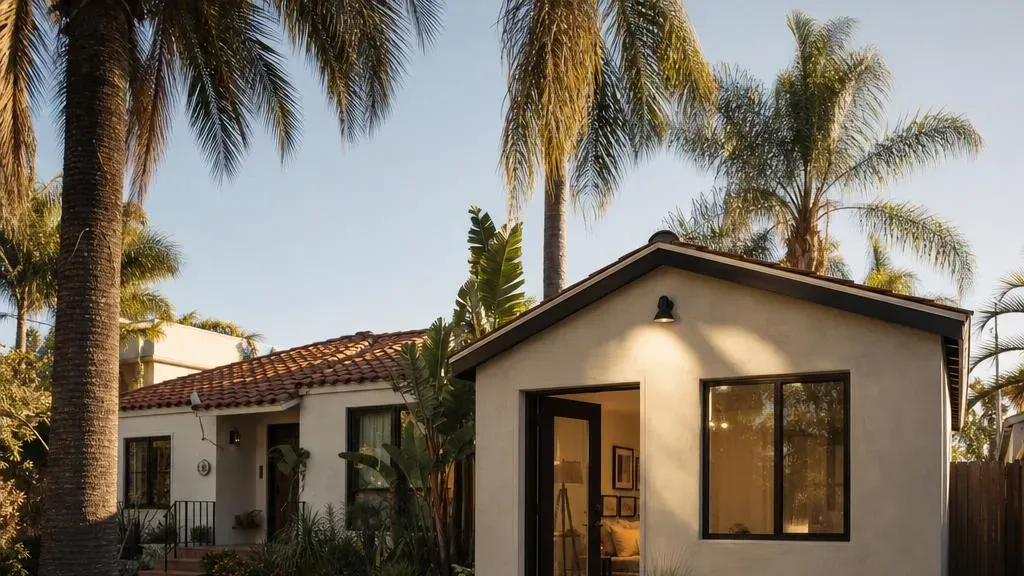
If you bought a San Diego home with a converted garage, basement apartment, or backyard studio that was built without permits — or you converted one yourself years ago and never pulled the paperwork — a new state law gives you a cleaner path to get it legal than you’ve had before.
It’s called AB 2533, and the City of San Diego’s Information Bulletin 242 spells out how it works locally. Here’s what matters for homeowners.
The short version
AB 2533 lets you legalize an existing accessory dwelling unit (ADU) or junior ADU (JADU) that was built before January 1, 2020, with fewer barriers than the old amnesty paths. The city cannot deny your permit application unless there’s a safety issue that has to be corrected first. Some fees are waived. And the state explicitly allows you to get a confidential inspection from a licensed general contractor to see what you’re dealing with before you file anything with the city.
That last part is the big one. Most homeowners in your situation are hesitant to call the city because they don’t know what will happen if the inspection turns up code violations. AB 2533 lets you get a professional read first, from someone with no obligation to report what they find.
What AB 2533 actually does
AB 2533 (now codified at California Government Code §66311.7) was signed in 2024 and took effect January 1, 2025. It’s the state’s specific legalization path for pre-2020 unpermitted ADUs and JADUs.
Before AB 2533, options to legalize an unpermitted ADU in San Diego were limited: file for a standard retroactive permit (where the city could require you to rebuild to current code), or live with the risk that the next buyer, lender, or insurance company would flag it.
AB 2533 changes the deal in three ways:
- It bars denial. The city cannot deny a permit application for a qualifying unit unless correcting a specific violation is necessary to address a substandard condition.
- It waives capacity fees. Water and sewer capacity fees — which can run several thousand dollars — are waived for qualifying units.
- It unlocks the confidential pre-inspection. You can hire a licensed GC to inspect the unit and tell you what’s there, what’s wrong, and what it’ll take to fix it, before you ever submit anything to the city.
Who qualifies
Your unit qualifies for AB 2533 legalization if all of the following are true:
- It was built before January 1, 2020
- It’s a complete ADU or JADU (independent living, cooking, sanitation)
- It’s not in a disqualifying location (see next section)
The unit can be detached, attached to the main house, or a conversion of existing space (garage, basement, part of the main house). Common examples:
- Converted detached garages used as rental units
- Converted attached garages used as in-law suites or guest quarters
- Basement apartments with their own entrance
- Backyard studios or “casitas”
- Portions of the main house walled off with a separate entrance
If your unit was built on or after January 1, 2020, AB 2533 doesn’t apply. Those go through the standard retroactive permit path.
Who doesn’t qualify — the exclusions
Your unit cannot be legalized under AB 2533 if any of these are true:
- In the Coastal Zone. Hard exclusion. If your property is subject to the California Coastal Act — anywhere in Ocean Beach, Mission Beach, parts of Point Loma, Pacific Beach, La Jolla, and other coastal areas — AB 2533 doesn’t apply. You need a separate Coastal Development Permit review under SDMC Chapter 12, Article 6, Division 7. More on how coastal rules affect San Diego remodels.
- In a fault zone, landslide area, or liquefaction zone. Hazard-mapped areas are excluded.
- Created by excavating under an existing floor. If the unit was built by digging out underneath an existing structure, it doesn’t qualify.
- Built with materials not permitted by the Building Code. Non-code materials disqualify.
- Located on a public or private easement. Easement conflicts stop the application.
- Attached to an apartment building or commercial structure. AB 2533 covers single-family + ADU/JADU scenarios only.
Not sure if your property is in the Coastal Zone or a hazard area? Address lookup through the San Diego Development Services permit map will tell you. We also check it during the pre-inspection.
The confidential pre-inspection — your first move
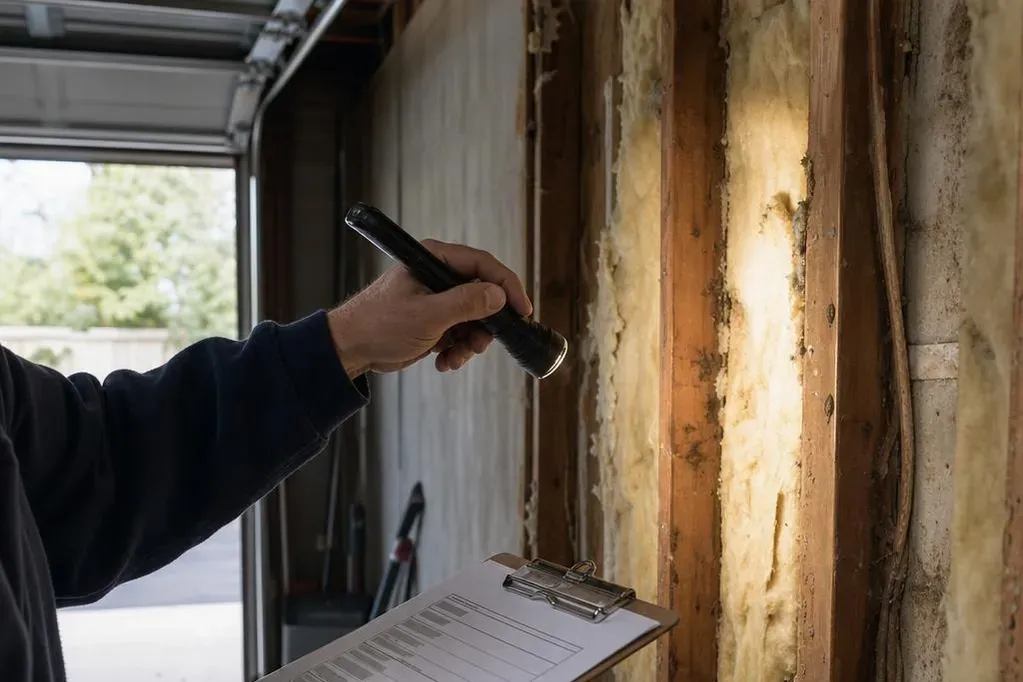
This is the piece most homeowners don’t know about. Under AB 2533, you can hire a licensed general contractor to inspect your unpermitted ADU confidentially. The GC is not required to report findings to the city. Nothing you learn triggers a code enforcement action.
What that means practically: before you spend a dollar on permit fees, drawings, or corrections, you get an honest read on:
- What the unit is (ADU, JADU, or doesn’t actually qualify as either)
- Which habitability items are already in compliance
- Which items need correction
- What the corrections will cost in time and money
- Whether any of the exclusions above apply to your property
- Whether the overall go/no-go math works out
If the news is good, you move forward with the permit application. If the news is bad — the property’s in the Coastal Zone, or the structure has fundamental issues — you’ve spent a few hundred dollars for the inspection instead of thousands committed to a permit path that was never going to work.
Clint and his team at Craftsman Pacific do these inspections. Request a confidential AB 2533 inspection through our quote form — mention your address and roughly when the ADU was built, and we’ll scope it.
The habitability checklist (Attachment A of IB 242)
If you move forward with the application, your unit has to pass a habitability check. Every item below has to be in compliance before the permit is issued. Non-compliant items get corrected on the permit application.
Smoke alarms
- In every sleeping room
- Outside sleeping areas on every level
- Including basements
Carbon monoxide alarms
- Outside sleeping areas
- Every occupiable level
- Where a fuel-burning appliance or attached garage opens to the unit
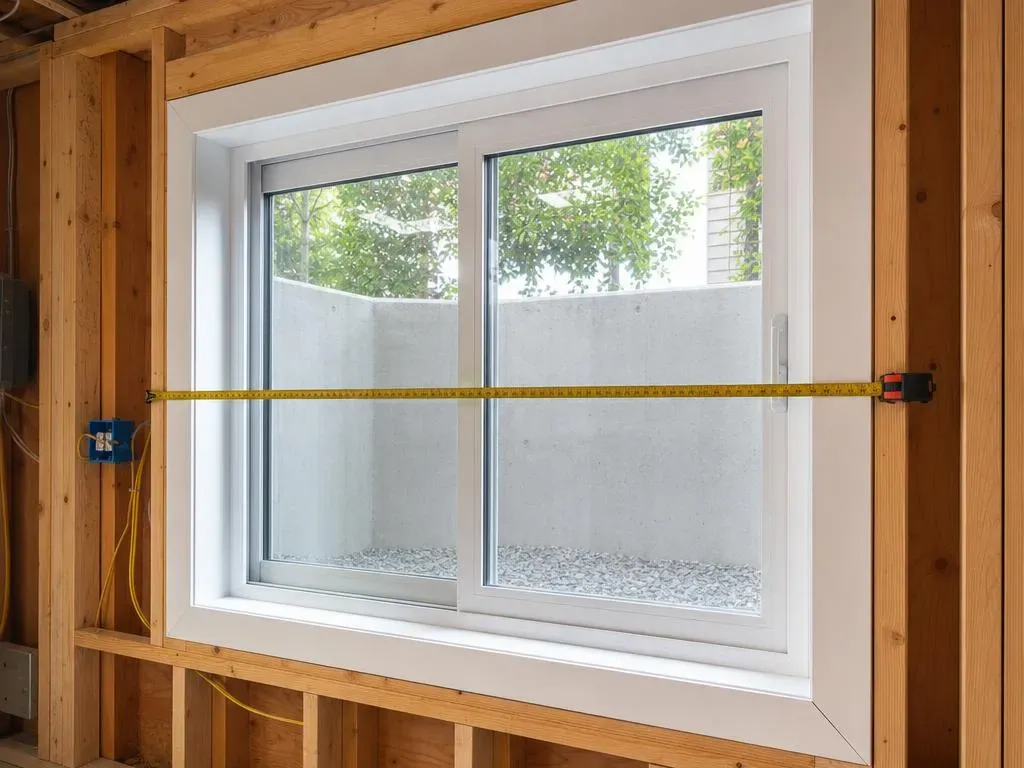
Emergency escape and rescue openings (every bedroom)
- Minimum 20 inches wide × 24 inches high
- Minimum 5.7 sq ft of opening (5.0 sq ft at grade)
- No bars that obstruct the opening
Sanitation
- Water closet, lavatory, bath or shower, kitchen sink
- Hot and cold running water
- Heat
- Mechanical or natural ventilation
- 8% natural light, 4% ventilation
- Minimum room size: 70 sq ft, 7 ft minimum dimension (kitchens excepted)
- No visible mold or dampness
- Connected to the sewer
Structural soundness
- Foundation, floors, walls, ceilings, roofs, chimneys
- Adequate lateral resistance
Nuisance-free
- Safe wiring, plumbing, and mechanical systems (grandfathered if legal when installed)
- Weather-tight
- No fire or explosion hazards
- No debris
- Proper exits
Most unpermitted conversions we inspect in San Diego have one or two items that need correction. Common ones: smoke/CO alarms missing or in the wrong spots, egress windows that don’t meet the 5.7 sq ft minimum, and sanitation vent gaps. For garage conversions specifically, the step-down from original slab, missing egress, and insulation that doesn’t meet current energy code show up often — more on the full garage conversion process and typical scope.
Proof of build date
You have to demonstrate the unit was built before January 1, 2020. The city accepts any one of these (or a combination):
- Contractor bills or material receipts dated before January 1, 2020
- Utility bills or insurance documents tied to the unit before that date
- Code enforcement case documentation
- A signed and dated lease from a tenant before January 1, 2020
- Real estate documents (loan docs, appraisal, MLS listings)
- Dated photographs
- Other evidence the department accepts at its discretion
If you bought the home and don’t have historical paperwork, the real estate documents from your purchase often do the job — an MLS listing or appraisal from before 2020 that shows the unit existed.
If you’re responding to a BLUE case (a code enforcement notice), the BLUE number has to appear in your permit scope of work.
Fees — what’s waived, what still applies
Waived under AB 2533:
- Water capacity fees
- Sewer capacity fees
- Construction and demolition debris recycling deposit
- Water meter sizing review
Still charged:
- Permit fees per IB 501 (structural) and IB 103 (mechanical/electrical/plumbing)
- School fees per IB 146 (if the local school district assesses them)
- Water billing rate code may need updating to reflect the additional unit
The capacity fee waiver is significant — those fees can run several thousand dollars for a typical ADU. The permit fees themselves are modest in comparison.
What has to be in the permit application
Your scope of work must explicitly state: “This project proposes to use the provisions of AB 2533.” The city doesn’t apply AB 2533 provisions automatically — you have to invoke them.
The permit set includes standard items (site plan, floor plan, elevations if visible from the street, structural sheets if applicable). All submittals are online-only through the city’s e-permit portal. Here’s what else needs a permit in San Diego, for reference.
Also note: any work done to the unit after January 1, 2020 (adding a water heater, rewiring, new plumbing) has to meet current code at inspection, not legacy code. AB 2533 doesn’t backdate work done after the cutoff.
The process, step by step
- Confidential pre-inspection with a licensed GC. You learn what you’ve got and what it’ll take.
- Decision: go or no-go. If the unit has fundamental problems or sits in the Coastal Zone, you stop here.
- Scope the corrections. Smoke/CO alarms, egress upgrades, sanitation fixes — whatever Attachment A requires.
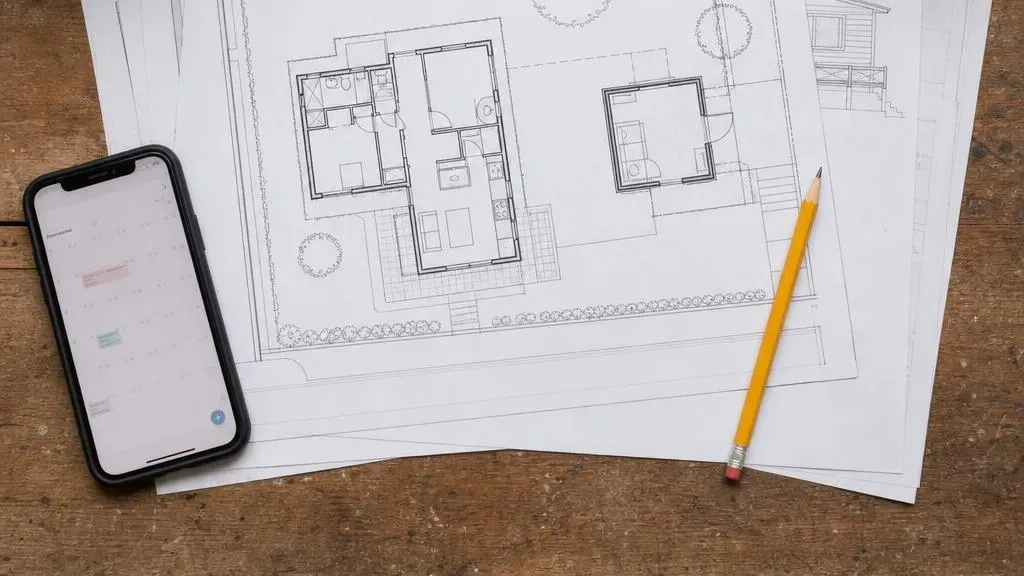
- Prepare the permit set. Plans, site documentation, build-date proof, AB 2533 language in the scope of work.
- Submit online. All submittals go through the city’s e-permit portal.
- City review. The city processes under AB 2533 standards (no denial unless safety violation).
- Corrections and inspections. Make required corrections. Inspections happen at standard milestones.
- Final sign-off. Permit issued, Certificate of Occupancy if applicable. The unit is legal.
Timeline from start to finished permit is typically 3–6 months depending on scope of corrections. The confidential pre-inspection is a 1–2 week lead time.
What to do first
Call it. Even if you’re not sure your unit qualifies, the confidential pre-inspection answers every question above in one visit. Nothing you learn obligates you to proceed. Nothing goes to the city unless you decide it does.
Request a confidential AB 2533 inspection — mention your address and roughly when the ADU was built. Clint will scope the inspection.
This article is homeowner education, not legal advice. Specific property situations vary — if you have an enforcement action pending or complex ownership questions, consult a California real estate attorney before proceeding.